
RICEM offers capacity building services for cooperatives, SMEs, and microfinance institutions in Rwanda
RICEM offers capacity building services for cooperatives, SMEs, and microfinance institutions in Rwanda
The Rwanda Institute of Cooperatives, Entrepreneurs and Microfinance (RICEM), is a specialized vocational institution under the ownership of Association of Microfinance Institutions of Rwanda (AMIR) and the National Cooperative Confederation of Rwanda (NCCR). The institute’s work focuses on providing capacity building services along with other business advisory services to cooperatives, small- and medium-enterprises (SMEs), and microfinance institutions (MFIs) in Rwanda in the form of training, skills transfer, consultancy, and research.
RICEM’s offerings for each sector are as follows:
Cooperatives
Cooperatives in Rwanda have a huge role in promoting inclusive, sustainable development and economic transformation of the country. The cooperative sector are a unique form of a self-help group that involves pooling members’ resources to realize economies of scope and scale. However, cooperatives face several challenges such as limited information and awareness of existing policies, laws, regulations, and internal rules among several others. RICEM as a specialized vocational institution offers different modules to address the challenges faced by cooperatives such as effective governance, effective leadership and cooperative management among others. Click here to learn more.
SMEs
The state of entrepreneurship has greatly improved in Rwanda with reform campaigns and policies that address business regulations. These have transformed the private sector and made it easier to do business and promote the entrepreneurship sector. However, the entrepreneurship sector still faces several challenges that hinder its players from turning their business ideas into sustainable high-growth businesses that would drive Rwanda towards its vision for growth such as business laws and regulations, business management, business planning among others. Click here to learn more about the specific modules RICEM offers to address these challenges.
MFIs
RICEM is aware of the critical role the microfinance sector plays in providing financial services in Rwanda. The landscape of the microfinance market over the course of time has changed greatly, and institutions in the sector are becoming increasingly more formal. They have been driven towards focusing on improving efficiency by retaining clients and identifying new clients interested in the financial services offered. Technological advancements have induced new modern ways of offering services which are quicker and more efficient. RICEM provides specific modules to support the development of microfinance such as effective governance for MFIs, effective leadership for MFIs and strategic management for MFIs among others. Click on the here to learn more about RICEM’s approach towards addressing challenges faced by the Microfinance sector.
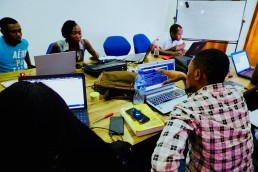
RICEM has facilities that can conduct 8 training programs at a time including those conducted online, and each facility can accommodate from 25-35 participants given the current situation, but in case of normal situations, training facilities can accommodate 50 to 70 participants according to training standards. RICEM short term training programs can last for 3-5 days/week and long term training programs can last up to a year. RICEM has served over 526 participants from 219 non-financial cooperatives, 255 participants from 35 MFIs/SACCOS and 1409 participants from SMEs since the start of 2020.
For more information, please contact: +250783551066 or info@ricem.rw


Embracing Digital Literacy program available for women entrepreneurs
Embracing Digital Literacy program available for women entrepreneurs
The Africa Women’s Entrepreneurship Program Rwanda (AWEP Rwanda) in partnership with the US Embassy is offering an opportunity for women entrepreneurs to acquire different skills they need to further their businesses through the Embracing Digital Literacy training program. AWEP Rwanda is an outreach, education, and engagement initiative that targets women entrepreneurs. Through the program, participants will learn skills in:
- Market Searching
- Business Communication
- Designing Marketing Materials
- Effective Business Locating
- Budgeting
The program is meant to be very interactive and practical, and entrepreneurs will learn both skills on how to incorporate ICT tools in their business activities as well as gain access to a forum of women entrepreneurs that will extend beyond the length of the program. Program participants will also have the opportunity to be able to join the AWEP Rwanda network.
To be eligible for the program, women entrepreneurs must be between the ages of 18 and 35 and have a legally registered business. Proof of registration will be required as part of the application process.
The program will take place in four districts of Kigali, Huye, Kayonza, and Rubavu. The program in Kigali will take place from 19th to 20th of November 2020. Dates for other districts will be communicated later.
For more information and application details, click here: Application Details
For any questions, please contact: +250 788 358 891 or aweprwanda@gmail.com.


Call for Applications for Start-Ups to Receive Capacity-Building Support
Call for Applications for Start-Ups to Receive Capacity-Building Support
The Westerwelle Startup Haus Kigali Entrepreneurship Program 2021 (WSHKEP21) is offering capacity building support for start-ups operating in Rwanda by providing access to quality infrastructure as well as tailor-made services to support their business growth. The Westerwelle Startup Kigali Entrepreneurship Program is designed to support early stage start-ups in Rwanda to create scalable businesses and integrate them deeply within the existing local starting ecosystem to facilitate knowledge sharing and peer learning. The WSHKEP21 is sponsored by the Westerwelle Foundation for International Understanding, a German-based non-profit organization.
Selected applicants will be granted a 9-month membership subscription beginning November 15, 2020, to Westerwelle Startup Haus Kigali. This includes access to mentoring sessions with experienced entrepreneurs, corporate partnership networking/facilitation, investment opportunity networking/facilitation, business diagnostic services, and workshops on topics including:
- Business & financial management
- Corporate governance
- Market research and competitor analysis
- Leadership skills analysis
- Sales and marketing
It also includes access to amenities such as:
- Access to a fixed working space including kitchen facilities
- Access to meeting rooms
- Event priority if fully booked
- Own locker
- Mail service
- Access to high-speed internet provided by Liquid
- Hall of Fame feature
- Marketing feature
To apply, applicants must submit their startup ideas through the relevant online application form before November 15th, 2020 (GMT+2 23:59). Qualified applicants will be notified via email of their successful submission. Please click here to apply: Application Form.
To find out more details about the program, please read the Terms&Conditions.

Question: What do I need to know about the current state of business operations in Rwanda amid the COVID-19 outbreak?
Question: What do I need to know about the current state of business operations in Rwanda amid the COVID-19 outbreak?
Answer: Since the first case of COVID-19 infection was reported in Rwanda on March 14th, 2020, the country has implanted several measures to contain the spread and infection of the virus. The measures are reviewed every 15 days and have ranged from closing all business operations except for essential services to restrictions of the movement of people and cargo to between certain hours.
Currently, Rwanda has resumed most business operations, including restaurants, hotels, shops, and tourism operations with the exception of bars (including bars located inside of hotels and restaurants), which remain closed. Movement in the country is allowed from 4 am to 10 pm. National parks are open to visitors with a negative COVID-19 test and international air travel has resumed. Rwanda has partially opened its land border with the Democratic Republic of Congo linking the country to DRC’s small city of Goma to ease small cross border business. However, all the other land borders remain closed except for cargo and returning Rwandan citizens and residents. Travelers to Rwanda must present a negative PCR COVID-19 test certificate for a test taken no more than 120 hours before their initial flight.
Public and private transport has resumed all over the country with public buses operating at full capacity for sitting passengers and 50% for standing passengers. Capacities for staff in private and public workplaces has increased from 30% to 50%. For wedding reception and conferences, event organizers must not allow guests to exceed 50% of venue capacity. Finally, COVID- 19 tests are no longer required for gatherings of fewer than 75 in number.
References: https://www.primature.gov.rw/index.php?id=43
Cabinet Decisions (Office of the Prime Minister, Rwanda, 2020)
Ikibazo: Ni iki nkeneye kumenya ku bijyanye n’uko ibikorwa by’ubucuruzi bihagaze mu Rwanda muri iki gihe hariho icyorezo cya COVID-19?
Igisubizo: Kuva umuntu wa mbere wanduye indwara ya COVID-19 yagaragara mu Rwanda kuwa 14 Werurwe 2020, igihugu cyashyizeho ingamba nyinshi zigamije gukumira ikwirakwira ryayo n’ubwandu bwayo. Izo ngamba zihora zisubirwamo nyuma ya buri minsi 15 zikaba zari zirimo ihagarikwa ry’ibikorwa byose by’ubucuruzi usibye gusa serivisi za ngombwa, kugumisha abantu mu ngo no gutwara ibintu mu masaha runaka. Muri iki gihe, mu Rwanda, ibikorwa by’ubucuruzi hafi ya byose byongeye gutangira, harimo amaresitora, amahoteli, amaduka, n’ibikorwa by’ubukerarugendo ukuyemo za bare (harimo na za bare zo mu mahoteli no mu maresitora) zigifunze. Gusohoka mu mazu mu gihugu byemewe gusa kuva saa cumi za mu gitondo kugeza saa ine z’ijoro. Pariki z’igihugu zirafunguye ku bantu badafite ubwandu bwa COVID-19 kandi ingendo mpuzamahanga mu ndege zongeye gutangira. U Rwanda rwafunguye igice cy’umupaka w’ubutaka ruhuriyeho na Repubulika Iharanira Demokarasi ya Kongo gihuza igihugu n’umujyi mutoya wa Goma mu rwego rwo koroshya ubucuruzi buto bwambukiranya imipaka. Ariko indi mipaka yose y’ubutaka iracyafunze uretse ku bwikorezi bw’ibicuruzwa no ku banyarwanda batahuka n’abasanzwe baba mu gihugu. Abagenzi bajya mu Rwanda bagomba kugaragaza icyemezo cyigaragaza ko bapimwe COVID-19 hakoreshejwe ibipimo bya PCR bagasanga ari nta bwandu bafite; ibyo bipimo bikaba bigomba kuba byarafashwe mu gihe kitarenze amasaha 120 kuva igihe urugendo rw’indege rwatangiriye.
Gutwara abantu mu modoka rusange no mu modoka z’abantu ku giti cyabo byasubijweho mu gihugu cyose; bisi zishobora gutwara abagenzi bose zemerewe gutwara ku bantu bicaye n’abantu 50 % ku bagenzi bagenda bahagaze. Umubare w’abakozi bo mu rwego rw’abikorera n’urwa leta bemerewe gukorera aho basanzwe bakorera warazamutse uva kuri 30% ugera kuri 50%. Ku bijyanye no kwakira abantu mu makwe no mu nama, abategura ibyo bikorwa ntibagomba kwemerera abashyitsi kurenga 50% by’abantu bashobora kwakirirwa ahantu habera ibyo bikorwa. Mu gusoza, kwipimisha COVID-19 ntibikiri ngombwa ku materaniro ahuza abantu batarenze 75.
Ibyifashishijwe: https://www.primature.gov.rw/index.php?id=43
Ibyemezo by’Inama y’Abaminisitiri (Ibiro bya Minisitiri w’Intebe, Rwanda, 2020)

Ministry of Youth and Culture & Partners Launch the Young Entrepreneur’s Resilience Fund
Ministry of Youth and Culture & Partners Launch the Young Entrepreneur’s Resilience Fund
On October 29, 2020, the Ministry of Youth and Culture (MYCULTURE), the United Nations Development Programme, the Korea International Cooperation Agency and other partners launched the Young Entrepreneurs Resilience Fund (the Fund) to support young entrepreneurs whose businesses have been negatively affected by COVID-19 or who have developed an innovation in response to the pandemic.
The 500 million Rwandan Francs fund aims to help young entrepreneurs recover from COVID-19 and to play a role in its prevention. This intervention was initiated based on results from a rapid survey conducted by MYCULTURE to assess the effects of COVID-19 on youth-led businesses. Eligibility criteria includes:
- For existing businesses (which must have been in operation prior to January 2019), business owners must be Rwandan youth living in Rwanda between the ages of 16 and 35
- For new innovations created as a response to COVID-19, business owners must be Rwandan youth living in Rwanda between the ages of 16 and 30
The application deadline is on 18th November 2020.
For more information on the Fund, please visit: https://bit.ly/3mNejGX.
For any questions, please contact (+250) 785270318; info@myculture.gov.rw or (+250) 788235468/785270318; irona1consultants@gmail.com
References: https://bit.ly/3mQGCEG

How the SME Response Clinic addresses gender information asymmetries
How the SME Response Clinic addresses gender information asymmetries
Investing in women’s entrepreneurship is good for business and essential for socio-economic growth. Women are more likely than men to invest a higher proportion of their income back into their families and communities; yet, most women-owned businesses across Africa remain stagnant at the micro-level, unable to grow.
The reasons holding them back are well-documented. First, women are less likely to access sufficient financing to grow their businesses, greatly hindered by challenges due to information asymmetries that put them at a distinct disadvantage to their male counterparts. In comparison, men are more likely to have access to the right information, training, and guidance to inform their dealings with financial institutions and plan effectively for their businesses in the long-term.
During “business as usual,” information asymmetry makes it challenging for women entrepreneurs to keep up. During a global pandemic, when updates related to financial products or services and government measures are issued multiple times a day, the information gaps can become even more unbalanced – leaving women entrepreneurs even further behind.
In late March, our team recognized the hardship that all entrepreneurs were facing when finding the right COVID19-related information for their businesses. After noticing there was no centralized platform that housed all the crucial updates happening across Rwanda’s private and public sectors, the SME Response Clinic platform was launched to address this gap and support entrepreneurs with relevant information. ConsumerCentriX, in partnership with Access to Finance Rwanda and the Private Sector Federation of Rwanda, created the website.
After reviewing data of the SME Response Clinic platform’s performance from the first few weeks, the team immediately recognized a gender problem when it came to web traffic. Only 30 percent of all visitors were women. Read this article to learn how we closed the gap. Only 30 percent of all visitors were women. Through further examination and analysis, it became apparent that the gender gap in web traffic was a symptom of the gender-neutral content and promotion of the platform on social media.
Recognizing a Problem
As a new platform beginning with zero followers, we relied heavily on an aggressive social media strategy. We launched a Twitter campaign and regularly targeted users on Facebook who exhibited entrepreneurial behavior and interests.
However, this social outreach strategy was not reaching women. For Twitter, a look into the data revealed that a staggering 93 percent of accounts using the campaign’s hashtag were men. While the gender gap on Facebook wasn’t as stark, men were still 73 percent more likely to see an advertisement and 80 percent more likely to engage with the content.
Two possible explanations shed light on our limited initial success in reaching women entrepreneurs in Rwanda. First, women in Rwanda are less likely to have access to phones with the internet and are less likely to be digitally literate than their male counterparts. Web traffic data indicates that roughly 80 percent of the SME Clinic website’s visitors access content through a mobile phone – putting women at a clear disadvantage.
The second barrier was the content itself as there was no particular gender lens in our early articles and videos. Instead, by producing only gender-neutral content, we were exacerbating the existing information asymmetries. We knew that we had to urgently switch up our strategy to reach women entrepreneurs with the right information to support their businesses throughout the economic downturn.
Mobilizing women entrepreneurs to access the right information for their businesses
In this video, Dr. Monique Nsanzabaganwa, Deputy Governor of National Bank of Rwanda and Chairperson of New Faces, New Voices Rwanda, and Ida Ingabire, Secretariat of New Faces New Voices Rwanda, explain the barriers women face when accessing information for their businesses and how SME Response Clinic can bridge that gap.
Developing Content through Partnerships
To create more compelling and meaningful content for women entrepreneurs, the SME Response Clinic partnered with New Faces New Voices Rwanda. From their own experience engaging with women entrepreneurs, New Faces New Voices emphasized the importance of making information available online and the necessity of mobilizing women to access the knowledge through a personal touch.
Though the partnership with New Faces New Voices, the SME Response Clinic delivered new content specifically for women entrepreneurs. Once finalized, we promoted on Facebook, specifically targeting women users who exhibited entrepreneurial interests.
However, to be seen as a platform that women could trust required a more involved personal touch. We decided to produce a Facebook event specifically for women entrepreneurs. The event allowed women entrepreneurs to ask high-level government officials, including Dr. Monique Nsanzabaganwa, a Deputy Governor of the National Bank of Rwanda, and private sector leaders about new government measures in place to support their business survival and growth.
While previous events hosted by the SME Response Clinic were held in English, the decision was made to have the conversation in Kinyarwanda at New Faces New Voices’ recommendation. By using the native dialect of Rwanda, there was a shared goal to make the event more accessible for women entrepreneurs, particularly those at the micro-level.
To increase attendance, New Faces New Voices reached out directly to their member through phone calls, bulk SMS, email and WhatsApp group messages. This outreach effort then turned into technical assistance support during the event, as staff helped users who were having issues accessing the live stream video. In the end, the panelists’ star power and the hard work of the organizers paid off. Even though only women received promotions for the event, the total number of users who viewed the live session outnumbered the turnout of our previous events on Facebook Live.
Final Thoughts
The event’s success meant that for the first time since the launch of the website, we were able to achieve gender parity in our weekly visitors. In the weeks and months following the event, we have learned that we can continue to achieve parity in weekly visitors if we publish content and produce events specifically for women. If we do not publish this targeted content, the gender gap returns without fail. While this overall shift in strategy requires more work and depends on successful external partnerships, women entrepreneurs’ benefits are too significant to ignore. In the coming months, the SME Response Clinic will continue to engage women entrepreneurs with events and relevant content for their businesses.

African Resilience Initiative for Entrepreneurs offers support for women entrepreneurs
African Resilience Initiative for Entrepreneurs offers support for women entrepreneurs
The African Resilience Initiative for Entrepreneurs (ARIE) is currently working to support businesses through a zero-interest loan program with a strong focus on women entrepreneurs.
What is ARIE?
ARIE is a Pan-African initiative committed to supporting 300 African entrepreneurs – 70% of whom will be women – by providing financial and technical assistance as well as a platform for networking that aims to connect entrepreneurs to potential investors. The initiative was started by Entrepreneurial Solutions Partners (ESPartners) in partnership with the US African Development Foundation (USADF), recognizing that women entrepreneurs have been disproportionately affected by the COVID-19 pandemic. Challenges they normally face in access to finance, skills building support, markets, and information have been exacerbated by the crisis, and they need additional support to recover, reinvent and rebuild their businesses following the pandemic.
What specific opportunities are available for SMEs?
ARIE will support entrepreneurs from seven countries (Rwanda, Ghana, Ivory Coast, Kenya, Nigeria, Uganda and Senegal) and from among the agri-business, manufacturing, energy and renewables, and essential services sectors. Selected SMEs will have the opportunity to receive up to 150,000 USD per firm ( Rwf .150 Million approx.). The funds will be disbursed as an interest-free loan to ensure businesses have the working capital they need to maintain operations and scale despite the pandemic.
ARIE will assign each entrepreneur to a business advisor that will support them in diagnosing and rethinking their strategy and operational efficiencies. They will then have access to a team of experts that will help them adapt to and navigate the present economic reality.
Finally, the ARIE platform will help SMEs harness opportunities unleashed by the establishment of an African Continental Free Trade Area. It will connect African SMEs to potential investors and the networks they require to expand their geographical coverage, thus enhancing their capacity to trade across borders. The ARIE platform will also be a repository on a wide range of topics, including access to markets, building human capacity, and scaling.
How do I apply?
Applications will be available from 24th August through 25th September 2020. Interested SMEs should visit https://bit.ly/ARIE2020 to apply.
For more information, contact:
Entrepreneurial Solutions Partners (ESPartners)
Website: www.espartners.co
Email: info@espartners.co or arie@espartners.co

Rwanda Chamber of Women Entrepreneurs/PSF with Support of UN Women provides Business Clinics for Women-Led Businesses affected by COVID-19 in Rwanda
Rwanda Chamber of Women Entrepreneurs/PSF with Support of UN Women provides Business Clinics for Women-Led Businesses affected by COVID-19 in Rwanda
In Rwanda, women-owned businesses account for about one-third of all businesses, a large portion of the economy. As the PSF – Chamber of Women Entrepreneurs’ mandate is to provide advocacy, capacity building, linkages to local and international markets, and experience sharing among women through networking, they initiated a series of Business Clinics to help their members cope during the COVID-19 pandemic, and build back better.
With support from UN Women, and in partnership with BPN Rwanda and the Kora Coaching Group, the Chamber of Women Entrepreneurs assessed their members to find out their challenges and greatest needs during the pandemic. From this assessment, they designed a series of business continuity advisory services combined with psychosocial support services, with one-on-one coaching sessions for a pilot cohort of thirty women-owned businesses in Kigali.
The biggest challenge for women during the pandemic was that it came with no warning, and no business had time to prepare or make a strategy. The major challenges the entrepreneurs faced were that those who had merchandise at customs were unable to access them and had difficulties paying employees when there was no work.
These challenges brought both psychological and professional distress to many businesses. Women in the business clinic needed both support in assessing how their businesses were operating prior to COVID-19, as well as the assistance in making recovery plans for the future.
These interventions have been greatly appreciated by women who were part of the first cohort who noted that they had never imagined that they could find ways to either transform or adjust their business practices to survive the pandemic.
What they have received in terms of knowledge and skills has contributed much more to our businesses than money ever could.”
– Agnès Samputu, Director, PSF Chamber of Women Entrepreneurs
The Chairperson of RCWE insists on the expected outcome and impact of this project on the lives of women entrepreneurs in Rwanda.
“As the Chamber of Women Entrepreneurs, the COVID-19 pandemic provides us with a challenge and an opportunity to advocate for systemic changes and appropriate policies, interventions and actions that protect Rwandan women entrepreneurs and all the women in general from being disproportionately affected by shocks like these in the future. It is our belief that these changes could also have a far-reaching effect on the state of women entrepreneurs and women equality in Rwanda at even more stable times, post COVID-19.”
– Jeanne Francoise Mubiligi, The Chairperson, PSF-Chamber of Women Entrepreneurs
UN Women noted that the efforts made through the business clinic to restore women’s businesses and provide the necessary psychosocial support have shown positive results, and that they look forward to continuing these types of business clinics in a sustainable way. Since a core value of UN Women is to “Leave No One Behind,” partners are exploring ways to bring these workshops and mentoring to small businesses in other provinces of the country.
‘‘The COVID-19 crisis is both a health and a socio-economic crisis. With this business clinic we hope to provide the quick and quality support to assist as many women-owned businesses as possible. We have already secured funding to extend the support to 100 women entrepreneurs and we are encouraged that new partners might be joining us in this endeavor. Supporting more women-owned businesses to launch, own and manage small and medium enterprises is integral to our work as UN Women. This is at the heart of our collaboration with the government and with the private sector. As we enter the decade of the SDGs and try to build a better, greener, inclusive, and equitable world post COVID-19, we must ensure that women are not left behind.’’
– Fatou Lo, UN Women Representative in Rwanda
To this end, a second cohort will begin soon. While the situation of COVID-19 is stabilizing to some extent, the knowledge and skills conveyed through the business clinic, along with the psycho-social support and mentoring, have the potential to reach out to small businesses nationwide. It may also help women entrepreneurs who are not aware of the Chamber of Women Entrepreneurs to learn about its existence and activities, and motivate them to join.
Currently, the business clinics are available only to those women who are members of the Chamber of Women Entrepreneurs in good standing, and who have expressed their needs and committed to participate in the program and improving or transforming their businesses.
How can one become a member of the PSF chamber?
To become a member of the PSF- Chamber of Women Entrepreneurs, a business woman must have a legally registered business, and pay dues on a yearly basis. For more information, contact the Chamber’s Membership Coordinator, Marie Olga Mukayisenga, or visit them on Twitter (@chamberofwomen):
To learn more about the Women’s Business Clinics, you can also check out these videos:
CNBC Africa: Chamber Launches Business Clinics…https://www.cnbcafrica.com/videos/2020/07/09/chamber-launches-business-clinics-to-support-women-led-businesses/
KORA Coaching Group: Business Clinic Launch Rwanda Women Entrepreneurs https://www.youtube.com/watch?v=mslpOQ8kUws
CNBC Africa: This Business Advisory Clinic Seeks to Empower Women Entrepreneurs in Rwanda https://www.cnbcafrica.com/videos/2020/07/20/this-business-advisory-clinic-seeks-to-empower-women-entrepreneurs-in-rwanda/
Ishami ry’Abagore mu Rugaga rw’Abikorera, kuwa 21 Kanama
Ishami ry’Abagore mu Rugaga rw’Abikorera hamwe na UN Women batanga amahugurwa ku bucuruzi bwa ba Rwiyemezamirimo b’Abagore mu Rwanda.
Mu Rwanda, ibikorwa by’ubucuruzi by’abagore byihariye hafi kimwe cya gatatu cy’ibikorwa by’ubucuruzi byose, bikaba bigize igice kinini cy’ubukungu. Nk’uko Ishami ry’Abagore mu Rugaga rw’Abikorera rifite inshingano zo kubakorera ubuvugizi, kubaka ubushobozi, kubahuza n’amasoko yo mu gihugu no hanze yacyo, hamwe no gusangira ubunararibonye hagati y’abagore binyujijwe mu gukorana, batangije uruhererekane rw’amahugurwa ku bucuruzi mu rwego rwo gufasha abanyamuryango babo guhangana n’ibibazo byatewe n’icyorezo cya COVID-19, no kurushaho kwiyubaka.
Ku nkunga ya UN Women, no ku bufatanye na BPN Rwanda hamwe na Kora Coaching Group, Ishami ry’Abagore mu Rugaga rw’Abikorera bakoze ubushakashatsi ku banyamuryango babo hagamijwe kureba imbogamizi bahura nazo n’ibyo bakeneye kurusha ibindi mu gihe cy’icyorezo. Muri ubwo bushakashatsi, bashyizeho serivisi zitandukanye z’ubujyanama bwakwifashishwa mu gukomeza ibikorwa by’ubucuruzi hamwe na serivisi z’ubujyanama mu rwego rw’imitekerereze n’imibereho myiza, binyujijwe mu masomo ahabwa buri muntu ku giti cye yahawe ibikorwa by’ubucuruzi 30 by’abagore biri mu cyiciro kimwe muri Kigali byakoreweho igeragezwa.
Imbogamizi ikomeye abagore bahuye nayo mu gihe cy’icyorezo ni uko cyaje gitunguranye, bityo nta gihe cyo kwitegura cyangwa cyo gushyiraho ingamba cyabayeho. Imbogamizi zikomeye kandi ba rwiyemezamirimo bahuye nazo ni uko abari bafite ibicuruzwa kuri gasutamo batabashije kubibona, kandi ntibanabasha kwishyura abakozi kuko nta kazi kari gahari.
Izi mbogamizi zateje ibibazo mu rwego rw’imitekerereze no mu rwego rw’akazi ku bacuruzi benshi. Abagore bitabiriye amahugurwa ku bucuruzi bari bakeneye ubufasha mu gusuzuma uko ubucuruzi bwabo bwari buhagaze mbere ya COVID-19, hamwe n’ubufasha mu gushyiraho gahunda zo kuzahura ubukungu mu gihe kizaza.
Abagore bitabiriye icyiciro cya mbere bishimiye ibi bikorwa; bavuze ko batigeze batekereza na rimwe ko bashoboraga guhindura cyangwa kujyanisha n’igihe ibikorwa by’ubucuruzi byabo kugira ngo babashe kurokoka icyorezo.
Agnès Samputu, Umuyobozi w’Ishami ry’Abagore mu Rugaga rw’Abikorera yagize ati : «ubumenyi n’ubumenyi ngiro baduhaye bwaradufashije cyane mu bucuruzi bwacu kurusha kuba bari kuduha amafaranga.»
Umuyobozi wa RCWE ashimangira inyungu zitezwe n’impinduka nziza uyu mushinga uzagira ku buzima bwa ba rwiyemezamirimo b’abagore mu Rwanda.
Jeanne Francoise Mubiligi, Umuyobozi w’Ishami ry’Abagore mu Rugaga rw’Abikorera yagize ati:
«Nk’Ishami ry’Abagore mu Rugaga rw’Abikorera, icyorezo cya COVID-19 cyatubereye imbogamizi ariko kinatubera uburyo bwo gukora ubuvugizi kugira ngo hakorwe impinduka z’uburyo ibintu bikorwamo, hanashyirweho politiki zikwiriye, hamwe n’ibikorwa byo kurengera ba rwiyemezamirimo b’Abanyarwandakazi ndetse n’abagore bose muri rusange kugira ngo mu gihe kizaza batazongera kwibasirwa n’ibibazo nk’ibi cyane kurusha abandi. Twizera ko izi mpinduka zishobora kugira ingaruka ku mibereho ya ba rwiyemezamirimo b’abagore benshi no ku buringanire bw’abagore n’abagabo mu Rwanda mu bihe bisanzwe, nyuma ya COVID-19.”
UN Women yagaragaje ko ibyakoze mu mahugurwa yo kuzahura ubucuruzi bw’abagore hamwe no gutanga ubufasha bukenewe mu rwego rw’imitekerereze n’imibereho myiza byatanze umusaruro, kandi ko bateganya kuzakomeza amahugurwa nk’aya ku bucuruzi ku buryo burambye. Bitewe n’uko indangagaciro ngenderwaho ya UN Women igira iti : « Ntagusiga n’umwe inyuma », abafatanyabikorwa bari kwiga uburyo bwo kuzatanga aya mahugurwa n’ubujyanama ku bacuruzi bato mu zindi ntara z’igihugu.
Fatou Lo, Uhagarariye UN Women mu Rwanda yagize ati:
« COVID-19 ni ikibazo gikomeye ku buzima no ku bukungu n’imibereho y’imiryango. Muri aya mahugurwa ku bucuruzi, twizeye ko tuzatanga ubufasha bwihuse kandi bunoze mu gushyigikira ibikorwa by’ubucuruzi by’abagore byinshi bishoboka. Twamaze kubona amafaranga yo kongera ubufasha dutanga bukagera kuri ba rwiyemezamirimo 100 b’abagore, kandi twizeye ko hari abafatanyabikorwa bashya bashobora kuzadushyigikira muri iki gikorwa. Gufasha abagore benshi gutangiza ibikorwa by’ubucuruzi, kugira no kuyobora ibigo by’ubucuruzi bito n’ibiciriritse biri mu nshingano zacu nka UN Women. Iki ni ikintu cy’ingenzi mu mikoranire yacu na guverinoma hamwe n’urwego rw’abikorera. Bitewe n’uko turi muri Gahunda y’Intego z’iterambere rirambye, hamwe no kugerageza kubaka isi nziza kurushaho, yita ku bidukikije, idaheza, kandi idasumbanya nyuma ya COVID-19, tugomba gukora ku buryo abagore badasigara inyuma.»
Ni muri uru rwego, ikindi cyiciro kizatangira vuba. Uko COVID-19 izagenda igabanuka, ubumenyi n’ubumenyi ngiro bwatanzwe mu mahugurwa ku bucuruzi, hamwe n’ubufasha mu rwego rw’imitekerereze n’imibereho, ndetse n’ubujyanama, bizagera ku bacuruzi bato mu gihugu hose. Bizafasha kandi ba rwiyemezamirimo b’abagore batari bazi Ishami ry’Abagore mu Rugaga rw’Abikorera kumenya ko ririho n’ibikorwa rikora, bityo bikanabatera imbaraga zo kurijyamo.
Muri iyi minsi, amahugurwa ku bucuruzi ahabwa gusa abagore bari mu Ishami ry’Abagore mu Rugaga rw’Abikorera bagaragaje ko bayakeneye kandi bakiyemeza kugira uruhare muri iyo gahunda, kandi bakanoza cyangwa bagahindura ubucuruzi bwabo.
Ni gute umuntu aba umunyamuryango w’Ishami ry’Abagore mu Rugaga rw’Abikorera?
Kugira ngo abe umunyamuryango w’Ishami ry’Abagore mu Rugaga rw’Abikorera, rwiyemezamirimo w’umugore agomba kuba afite ubucuruzi bumwanditseho ku buryo bwemewe n’amategeko, kandi akishyura umusanzu buri mwaka. Ku yandi makuru, wakwegera Umuhuzabikorwa ushinzwe abanyamuryango b’Ishami ry’Abagore mu Rugaga rw’Abikorera, Marie Olga Mukayisenga, cyangwa ukabasura kuri Twitter yabo (@chamberofwomen):
Ushaka kumenya byimbitse ibyerekeranye n’amahugurwa ku bikorwa by’ubucuruzi by’abagore, ushobora kureba aya mashusho:
CNBC Africa: Chamber Launches Business Clinics…https://www.cnbcafrica.com/videos/2020/07/09/chamber-launches-business-clinics-to-support-women-led-businesses/
KORA Coaching Group: Business Clinic Launch Rwanda Women Entrepreneurs https://www.youtube.com/watch?v=mslpOQ8kUws
CNBC Africa: This Business Advisory Clinic Seeks to Empower Women Entrepreneurs in Rwanda https://www.cnbcafrica.com/videos/2020/07/20/this-business-advisory-clinic-seeks-to-empower-women-entrepreneurs-in-rwanda/

Free Software That Businesses, Schools and Others Can Use During the COVID-19 Crisis
Free Software That Businesses, Schools and Others Can Use During the COVID-19 Crisis
Are you an NGO, governmental organization or school? These tools can help you to stay on top of your employees and smooth the communication among your team.
Because of the COVID-19 pandemic, organizations everywhere are looking for business software that supports virtual communication. Businesses, government agencies, and non-profit organizations along with schools and educational institutions are grappling with the challenges of acquiring remote-working and e-learning technology given liquidity constraints during the pandemic. In response, a number of business software and services companies are rolling out free products and services as well as free customer upgrades to more advanced tools to help organizations cope.
These are some of the products and services already available.
Planning Software
Anaplan
For qualifying nonprofits, government agencies, and other organizations, the platform is free for 90 days to help accelerate their response to the crisis by helping with staff scheduling and call-center rosters.
Digital-workflow management
Quick Base
Healthcare providers, governments, educational institutions and nonprofits can get free access to Quick Base software that helps them with asset tracking through September 30.
Electronic signatures for documents
PandaDoc
PandaDoc has created a free e-signature service with no limits to the number of documents that a user can manage via it.
Cloud content collaboration and storage plus electronic agreements
Dropbox
Dropbox and HelloSign Enterprise will be free for six months for nonprofits and NGOs involved in the battle against COVID-19.
Process management and CRM
Creatio
Through October 1, organizations battling COVID-19 can request free access to help with things such as case management, message handling and call processing.
Are you a businessperson struggling with suppliers and customers?
Payment processing
Bill.com
Businesses that are experiencing a sharp decline in their revenues can get a free, three-month subscription to the service to run payables and receivables remotely.
Cloud-based sales and support
Freshworks
Freshworks is offering their tools for free for the next 6 months to small businesses assisting your customer queries and some elements of remote work. Mid-sized companies can use chatbots from the company via its WhatsApp integration for free too.
Are you having difficulties hiring new staff?
Recruitment software and video interviews
Breezy
The company has made its live video interview and assessment capabilities free to all organizations for at least 60 days
Do you want to create your own website?
Website creation and management
Yahoo
Yahoo Small Business is offering a free package of services that lets companies do things like create a web presence and manage email accounts.

SPARK Rwanda: Providing a Space for Rwandan Entrepreneurs to Learn from Each Other
SPARK Rwanda: Providing a Space for Rwandan Entrepreneurs to Learn from Each Other
SPARK Rwanda creates better jobs and improved access to employment through entrepreneurship development throughout the country. Because many of SPARK’s entrepreneurs live in more rural areas of Rwanda, the COVID-19 pandemic presented a number of challenges in terms of reaching these entrepreneurs with the information and training that they need. Additionally, COVID-19 decreased the person-to-person exchanges to mouth exchange they normally have among each other.
To overcome these challenges, SPARK Rwanda launched a number of initiatives to continue coaching, mentoring, and training entrepreneurs during the lockdown. This led to the creation of the SPARK Rwanda Facebook platform for entrepreneurs (click here to access). This is a peer-to-peer learning platform that any entrepreneur or businessperson in Rwanda can access to share, learn and even collaborate together.
SPARK’s motto is “Dare to ask, dare to share, dare to learn.” By participating in the Facebook group, entrepreneurs have the chance to share their experiences, ask questions, and get advice from the SPARK team, and learn from each other. Many SMEs in Rwanda are facing issues in terms of access to finance and business given the pandemic, and need a place to get more information and get more connected/increase business relations. The group is designed to meet that need.
Working together with Youth Business International (YBI) and Accenture, SPARK will continue to interact with entrepreneurs over Facebook to support SMEs and provide webinars, training, coaching and mentorship, and a place for entrepreneurs to meet virtually – even when it is difficult to meet in person. Given SPARK’s success in business development in Rwanda, becoming part of the network via Facebook can add value to any small business and increase your network.

More broadly in Rwanda, SPARK continues to work with agricultural value chains and in helping cooperatives to become more professional. For these rural entrepreneurs, proximity coaching and mentorship continues as life slowly returns to normal, although much is still done by Skype or by telephone.
SPARK will soon launch their COVID-19 response strategy, so continue to visit the SME Response Clinic for updates.
To learn more about SPARK or to become a member of the online peer-to-peer network, visit:
- Website: https://SPARK.ngo/sub-saharan-africa/rwanda/
- Facebook: https://www.facebook.com/groups/SPARKRwandaEntrepreneurs/?ref=bookmarks
- Twitter: @SPARKorg
SPARK Rwanda: Guha urubuga ba rwayemezamirimo b’Abanyarwanda kugira ngo bigire kuri bagenzi babo
SPARK Rwanda ihanga imirimo inoze, ikanafasha mu kubona akazi ibinyujije muri gahunda zo guteza imbere ba rwiyemezamirimo mu gihugu hose. Bitewe n’uko ba rwayemezamirimo benshi bakorana na SPARK batuye mu bice by’icyaro mu Rwanda, icyorezo cya COVID-19 cyateje imbogamizi nyinshi mu bijyanye no kubagezaho amakuru no kubaha amahugurwa bakeneye. Byongeye kandi, COVID-19 yagabanyije ibiganiro umuntu agirana n’undi bari kumwe bavugana imbonankubone kandi ari bwo buryo bari bamenyereye gukoresha hati ya bo.
Mu gukemura izi mbogamizi, SPARK Rwanda yatangije gahunda zitandukanye zo gukomeza kwigisha, gukurikirana, no guhugura ba rwiyemezamirimo mu gihe cya Guma mu rugo. Ibi byatumye hatangizwa urubuga kuri Facebook ya SPARK Rwanda rwagenewe ba rwiyemezamirimo (kanda hano winjiremo). Ubu ni uburyo umuntu yigira kuri mugenzi we, buri rwiyemezamirimo cyangwa umucuruzi wo mu Rwanda yajyaho agasangira amakuru, akigira ku bandi, bakaba banagirana imikoranire.
Intego ya SPARK ni «Tinyuka ubaze, Tinyuka usangire amakuru n’abandi, Tinyuka wige.» Iyo binjiye mu itsinda ry’abagize urubuga rwa Facebook, ba rwiyemezamirimo baba bafite amahirwe yo gusangiza abandi ubunararibonye bwabo, kubaza ibibazo, guhabwa inama n’itsinda ry’abagize SPARK, no kwigira kuri bagenzi babo. Ibigo by’ubucuruzi Bito n’Ibiciriritse byinshi mu Rwanda bihura n’ibibazo byerekeranye no kugera ku mari n’ibikorwa by’ubucuruzi bitewe n’icyorezo, bityo, bakaba bakeneye ahantu bakura amakuru n’abandi bantu bagirana imikoranire mu bikorwa by’ubucuruzi. Itsinda ryashyiriweho gukemura icyo kibazo.
Ku bufatanye na Youth Business International (YBI) na Accenture, SPARK izakomeza gukorana na ba rwiyemezamirimo hifashishijwe Facebook mu rwego rwo gushyigikira Ibigo by’ubucuruzi Bito n’Ibiciriritse, no gutanga ibiganiro kuri interineti, amahugurwa, amasomo n’inama, hamwe n’ahantu ba rwiyemezamirimo bahurira – kabone n’ubwo bigoye guhurira hamwe imbonankubone. Hashingiwe ku musaruro mwiza SPARK yagezeho mu guteza imbere ibikorwa by’ubucuruzi mu Rwanda, kujya muri urwo rubuga wifashishije Facebook, byafasha ibikorwa by’ubucuruzi biciriritse ibyo ari byo byose kandi bigatuma birushaho kongera umubare w’abakorana na byo ndetse n’abazi ibyo bikora.

Mu Rwanda muri rusange, SPARK ikomeje gukorana n’abongerera agaciro ibikomoka ku buhinzi, ndetse no gufasha amakoperative kurushaho gukora kinyamwuga. Uko ibintu bigenda bigaruka ku murongo, igenda yegera ba rwiyemezamirimo baba mu bice by’icyaro, ibigisha ikanabagira inama, nubwo ibikorwa byinshi bigikorwa hifashishijwe Skype cyangwa telefoni.
Vuba aha SPARK izatangiza ingamba zayo zo guhangana na COVID-19, bityo rero, mukomeze musure urubuga rwa SME Response Clinic mubashe kubona amakuru agezweho.
Ushaka kumenya byinshi kuri SPARK cyangwa kuba umunyamuryango w’urubuga rwa interineti rwo kugirana inama, wasura:
- Urubuga rwa interineti: https://SPARK.ngo/sub-saharan-africa/rwanda/
- Facebook: https://www.facebook.com/groups/SPARKRwandaEntrepreneurs/?ref=bookmarks
- Twitter: @SPARKorg